Green burial tour
A guided visit to the land where life returns to the earth.
free TOUR DATES 2026
Feb 15TH
April 5th
May 24th
June 21st
September 20th
October 18th
November 22nd
December 20th
WHY WE OFFER THIS TOUR
This tour exists to offer a grounded, in-person way to understand how green burial lives within a stewarded forest and an active community. It’s an opportunity to walk the land, see how burial and ecology are held together, and experience what it means to be cared for by a place that will be cared for long after we are gone.
The tour is offered without pressure or obligation because discernment matters. Choosing a resting place is not about making a decision quickly; it’s about knowing whether the land, the values, and the community feel right.
-
Just Love Forest is a stewarded forest and land-based community in northwest Georgia. We care for the land through long-term ecological practices while holding space for living, dying, and remembrance within a living ecosystem of love. Our work is rooted in respect for the land and the people who come into relationship with it.
-
We practice green burial as part of active land stewardship, not separate from it. Burial placement, forest care, and restoration happen together, guided by ecology, terrain, and time. We move slowly and thoughtfully, working in relationship with the land rather than imposing rigid structures upon it.
-
We work with individuals, families, and community members who are drawn to green burial and to being held by a place where care continues beyond a single moment. Some arrive years ahead of time; others come in times of transition or loss. The tour offers a way to meet the land, the people, and the shared responsibility of tending a living landscape together.
WHAT THIS TOUR IS
Green burial is a decision people carry quietly for a long time.
This tour exists because no amount of reading replaces being on the land.
You’ll see how burial is practiced here, how the forest is stewarded over time, and how rare plants are returning as a result of active land stewardship.
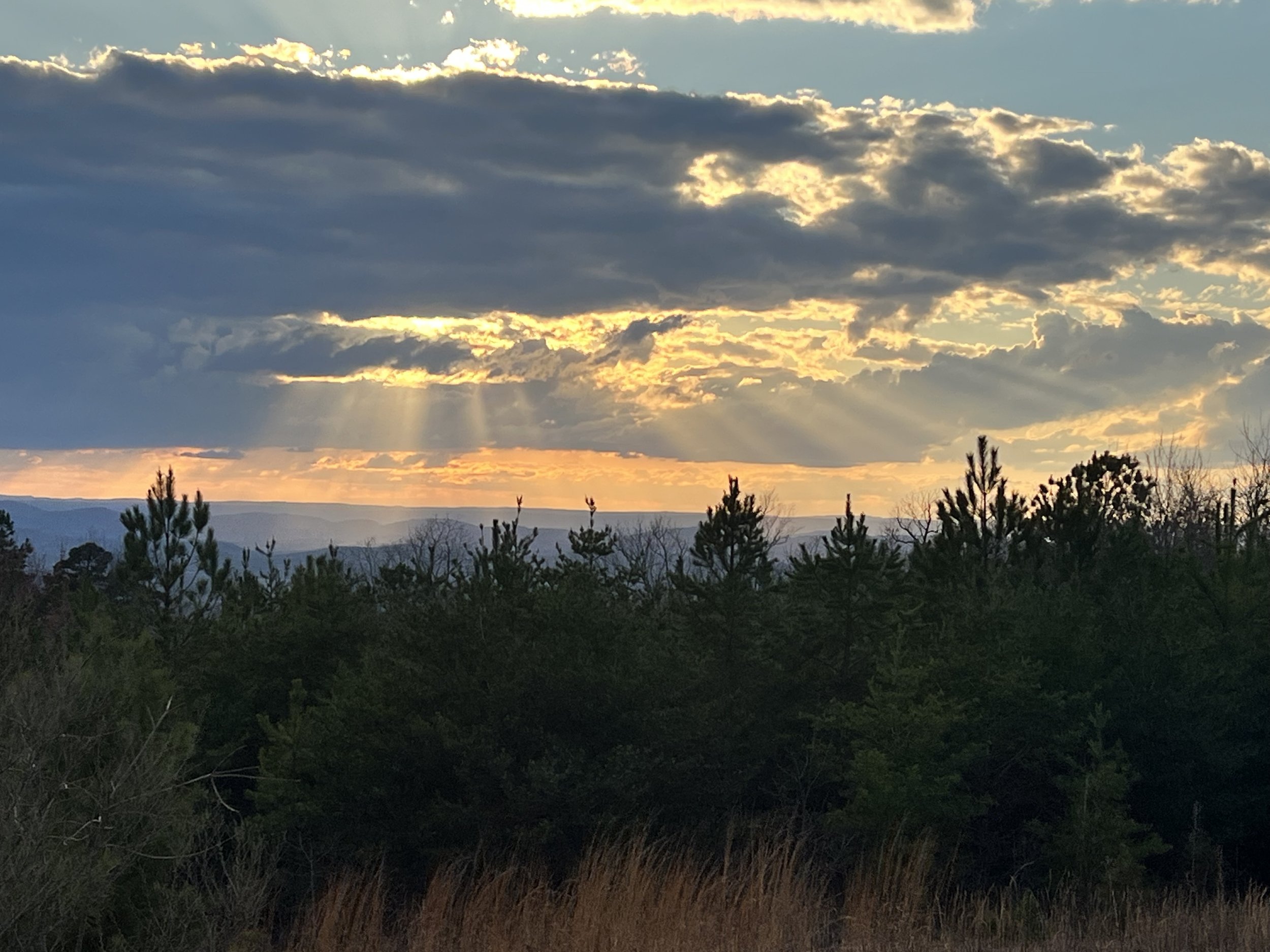
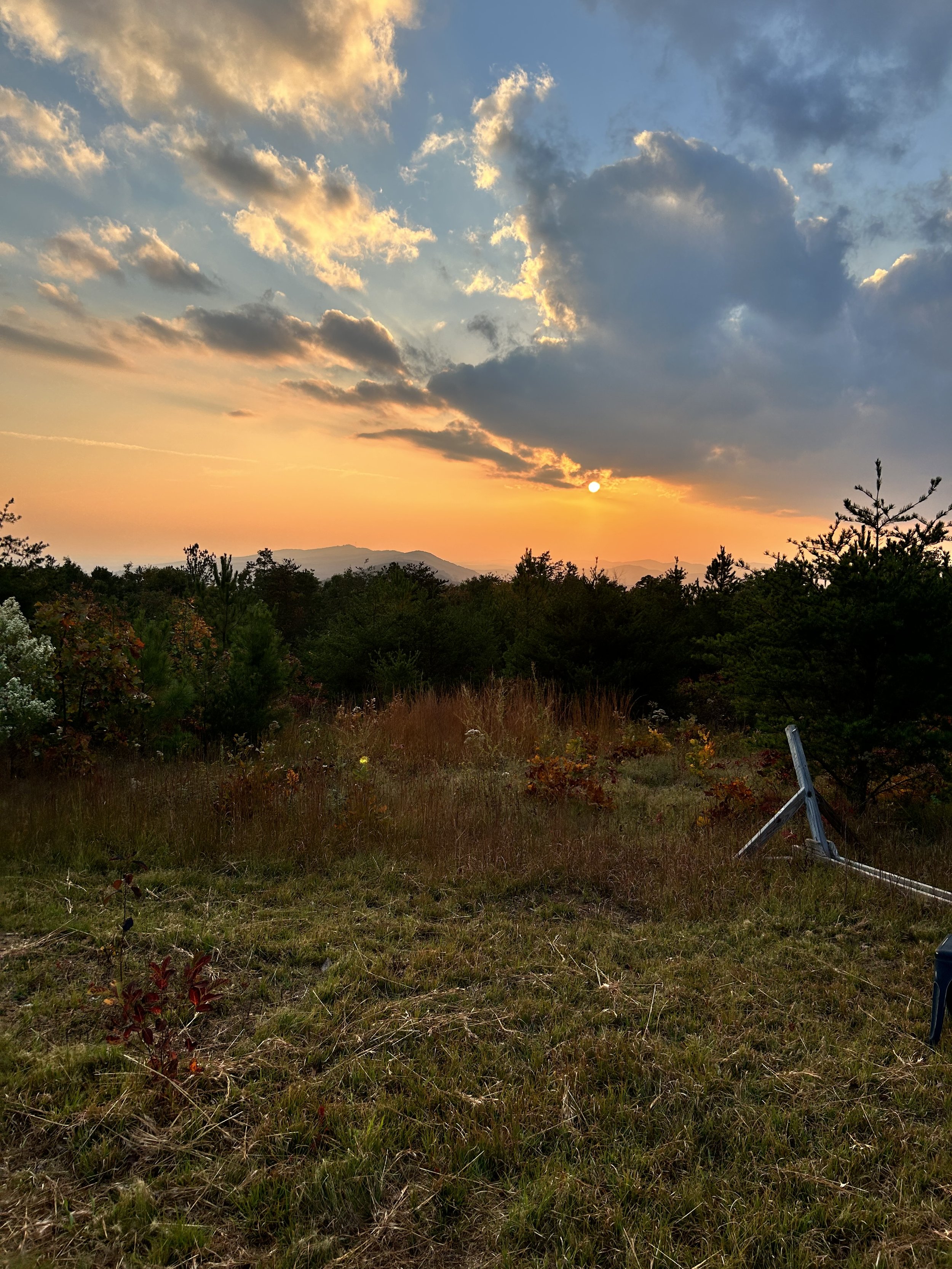
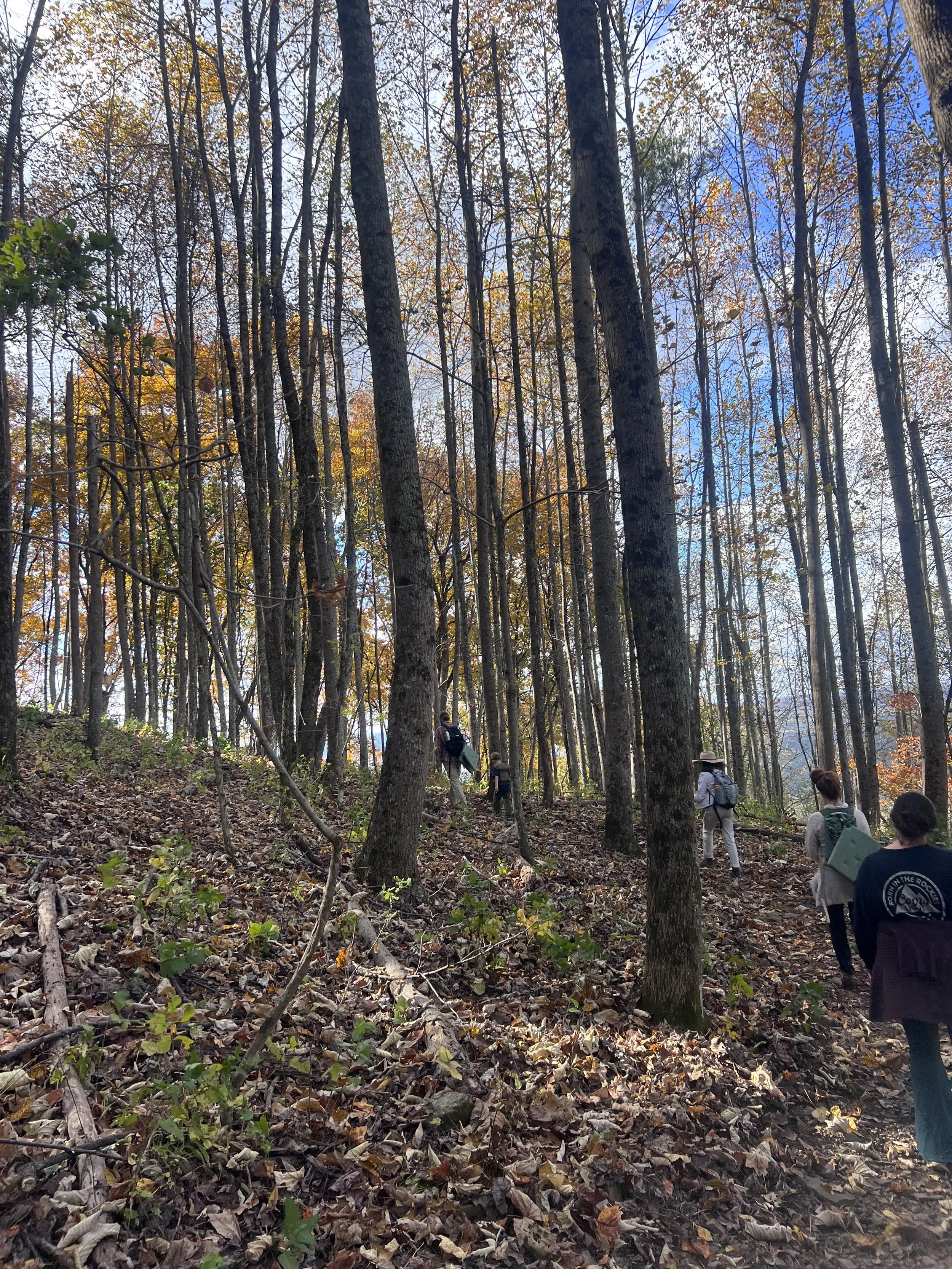
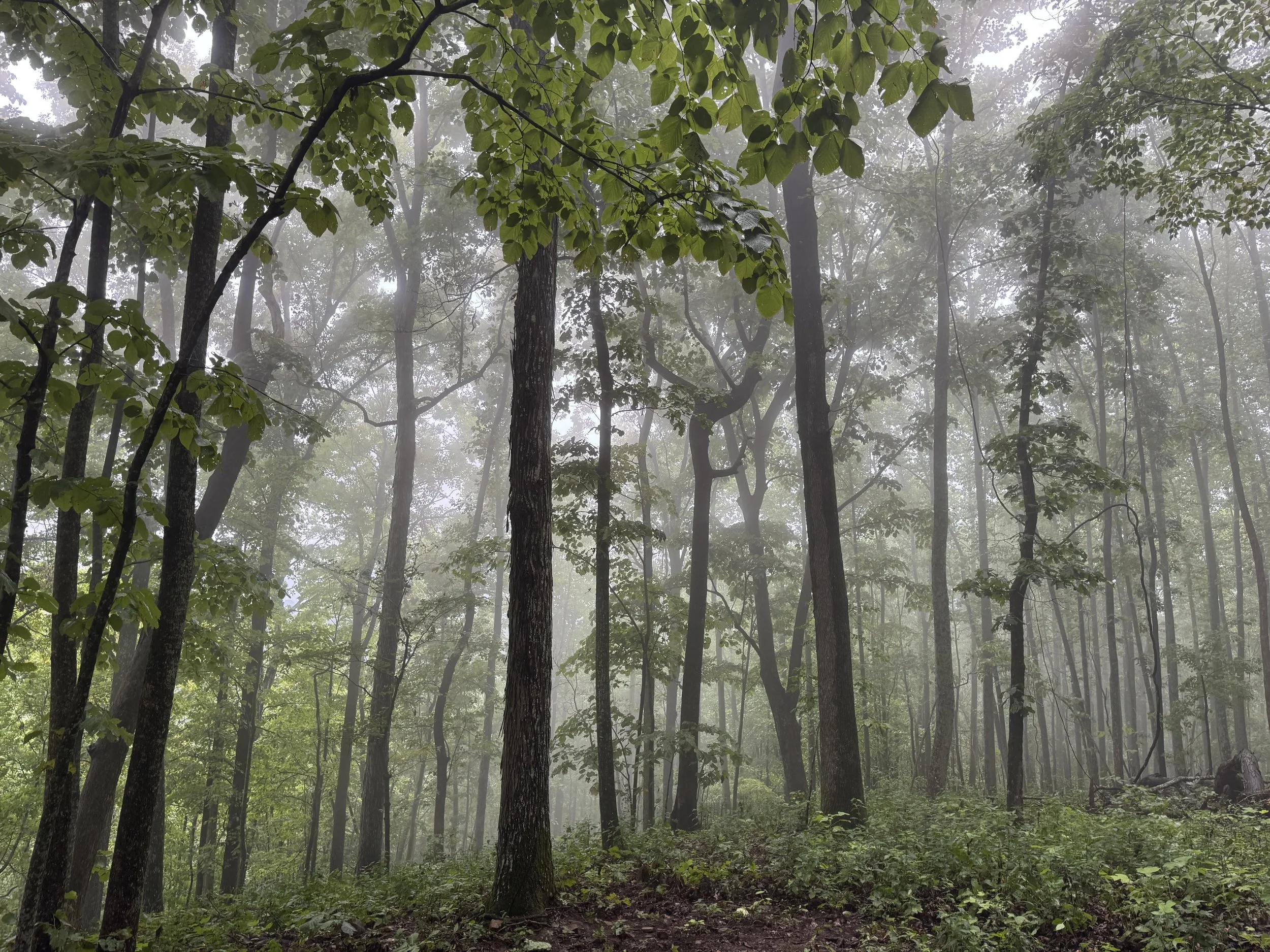
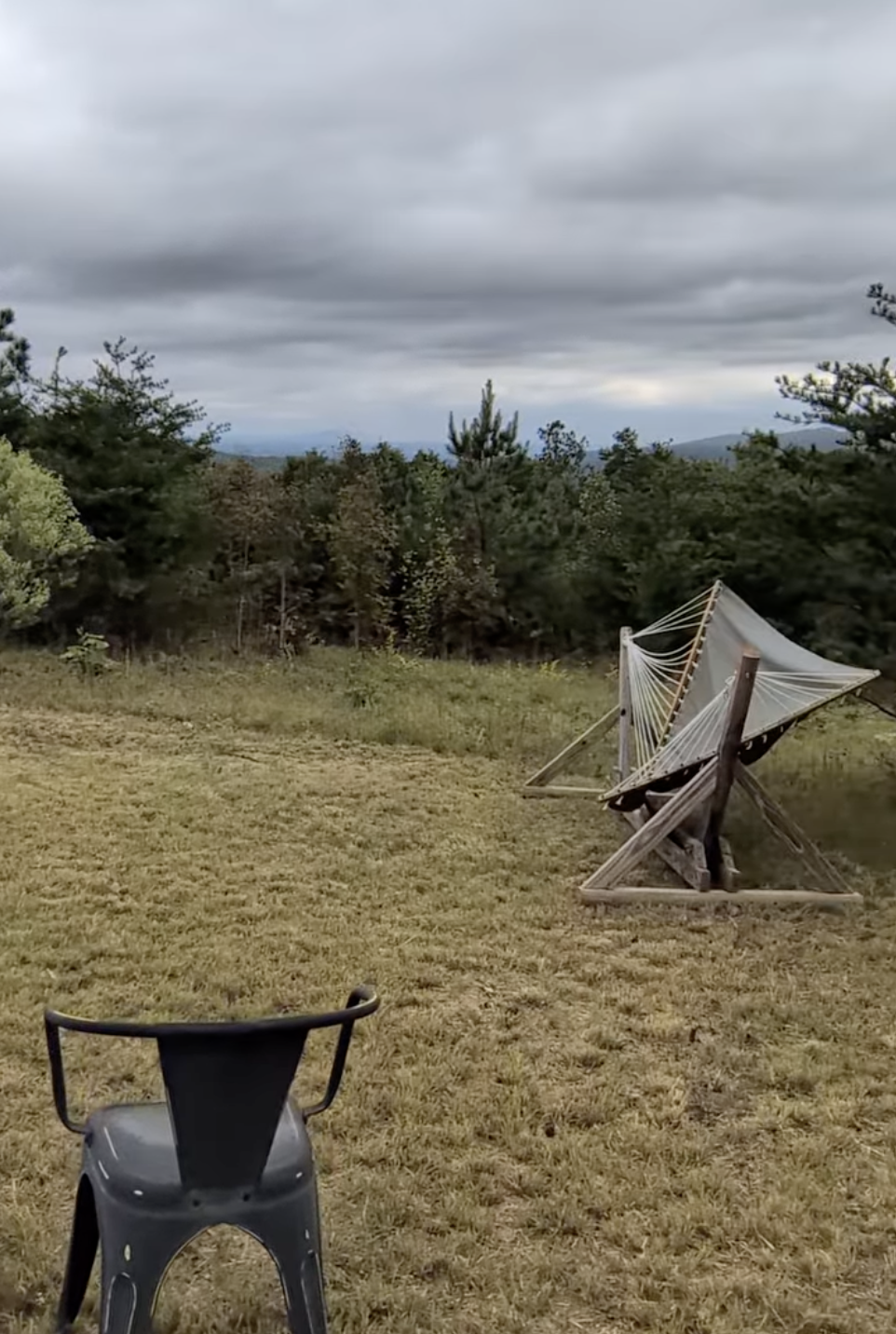
During this visit, you’ll walk the forest burial grounds at Just Love Forest, experience the terrain and views of Bhakti Mountain, and see how burial, ecology, and long-term stewardship are held together here.
You’ll learn how green burial is practiced here, how rare plants are returning through active land stewardship, and whether this place is right for you or your loved ones.
native plants you can expect to see
-
![]()
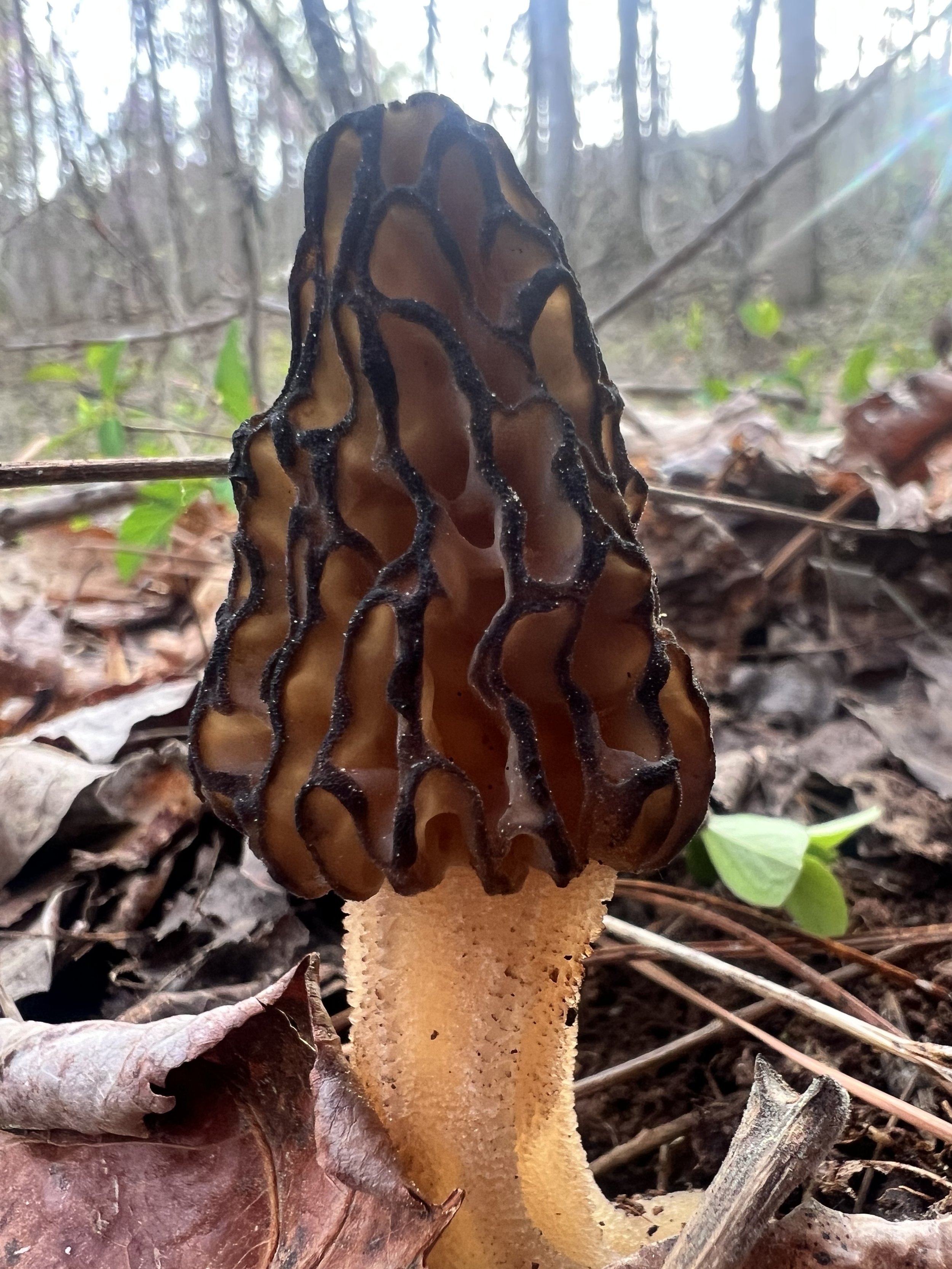
Morels (morchella)
-
![]()
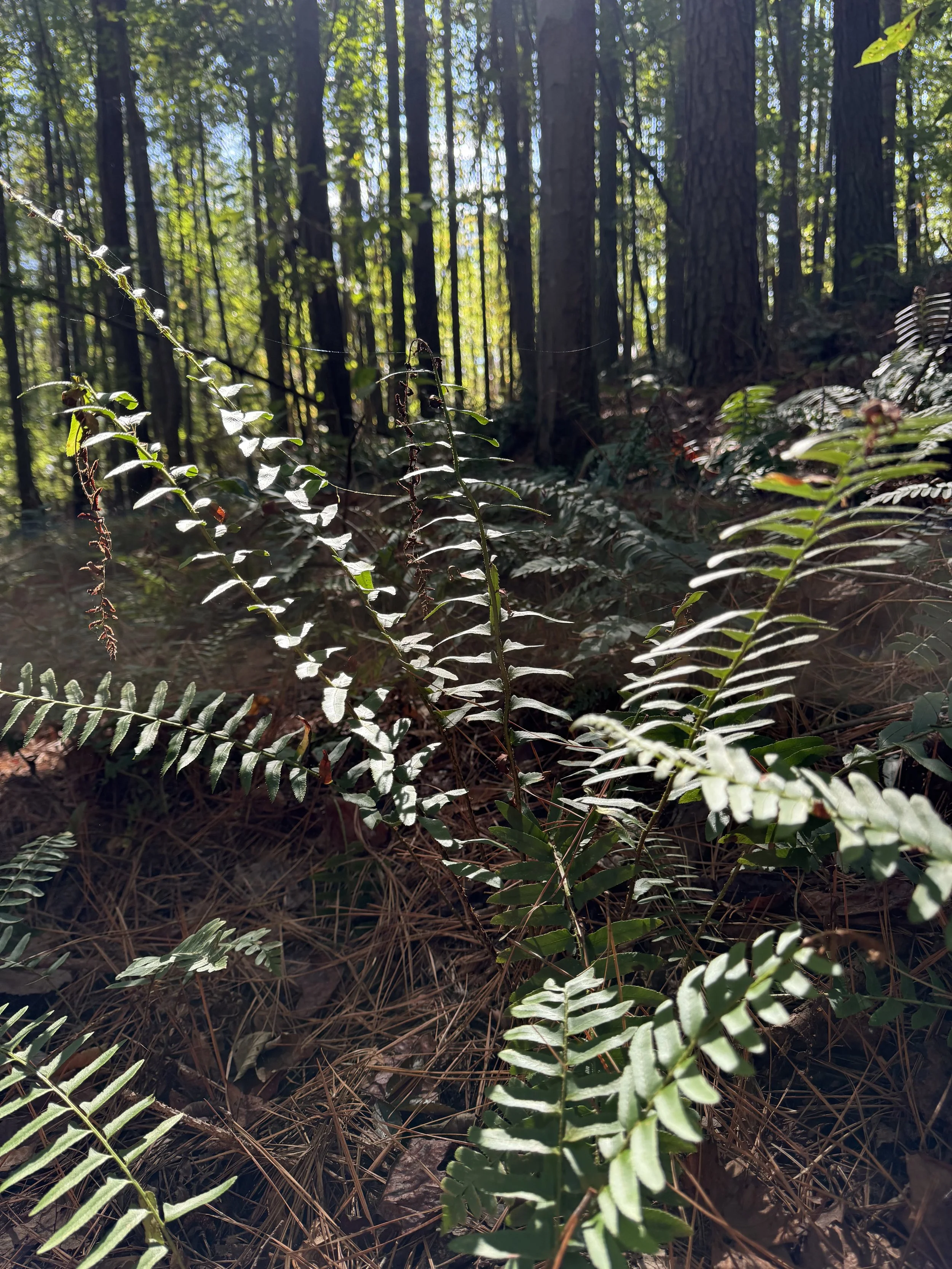
Christmas Fern (polystichum acrostichoides)
-
![]()
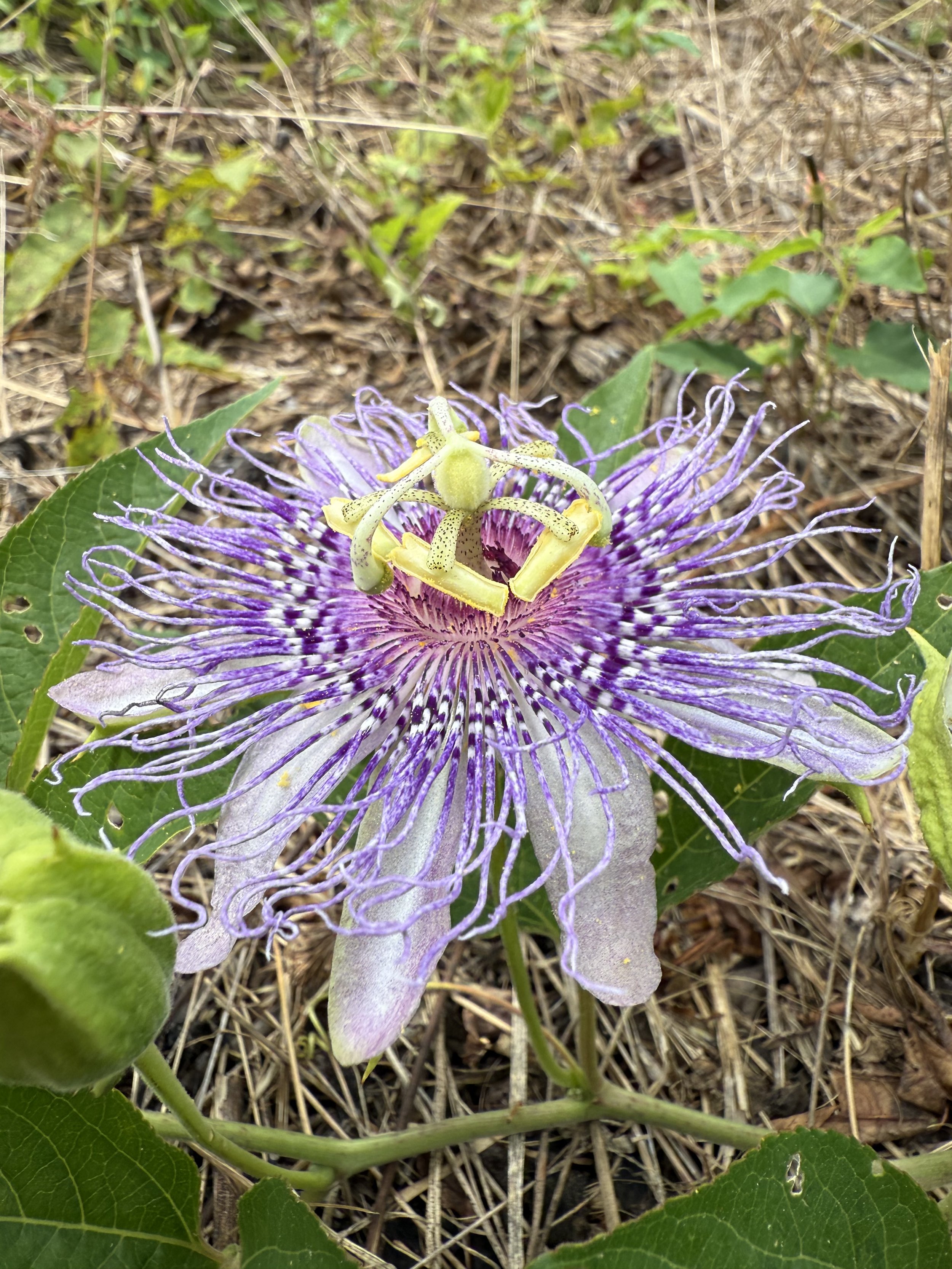
passion flower (passiflora incarnata)
-
![]()
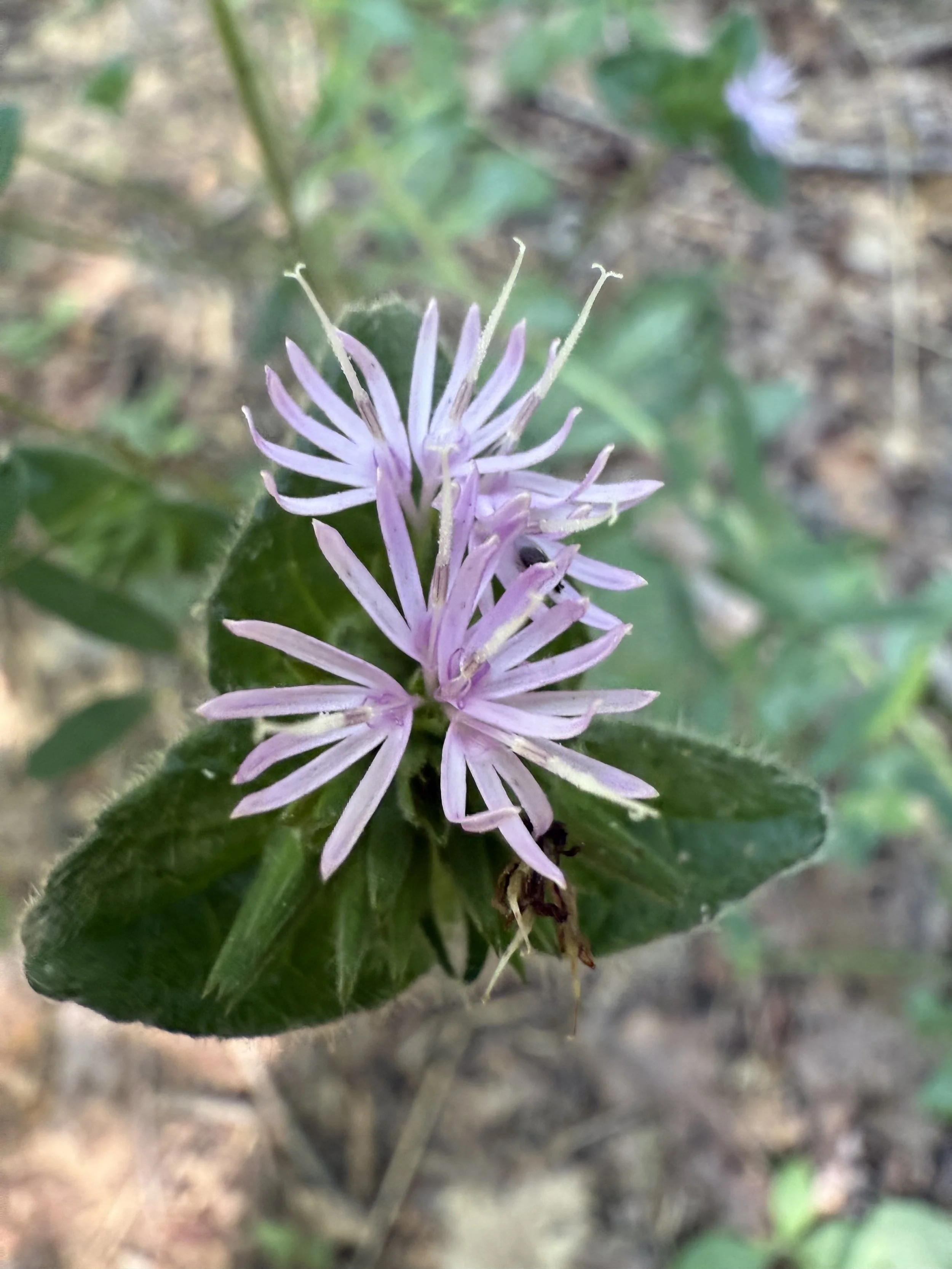
elephants foot (elephantopus carolinanus)
-
![]()
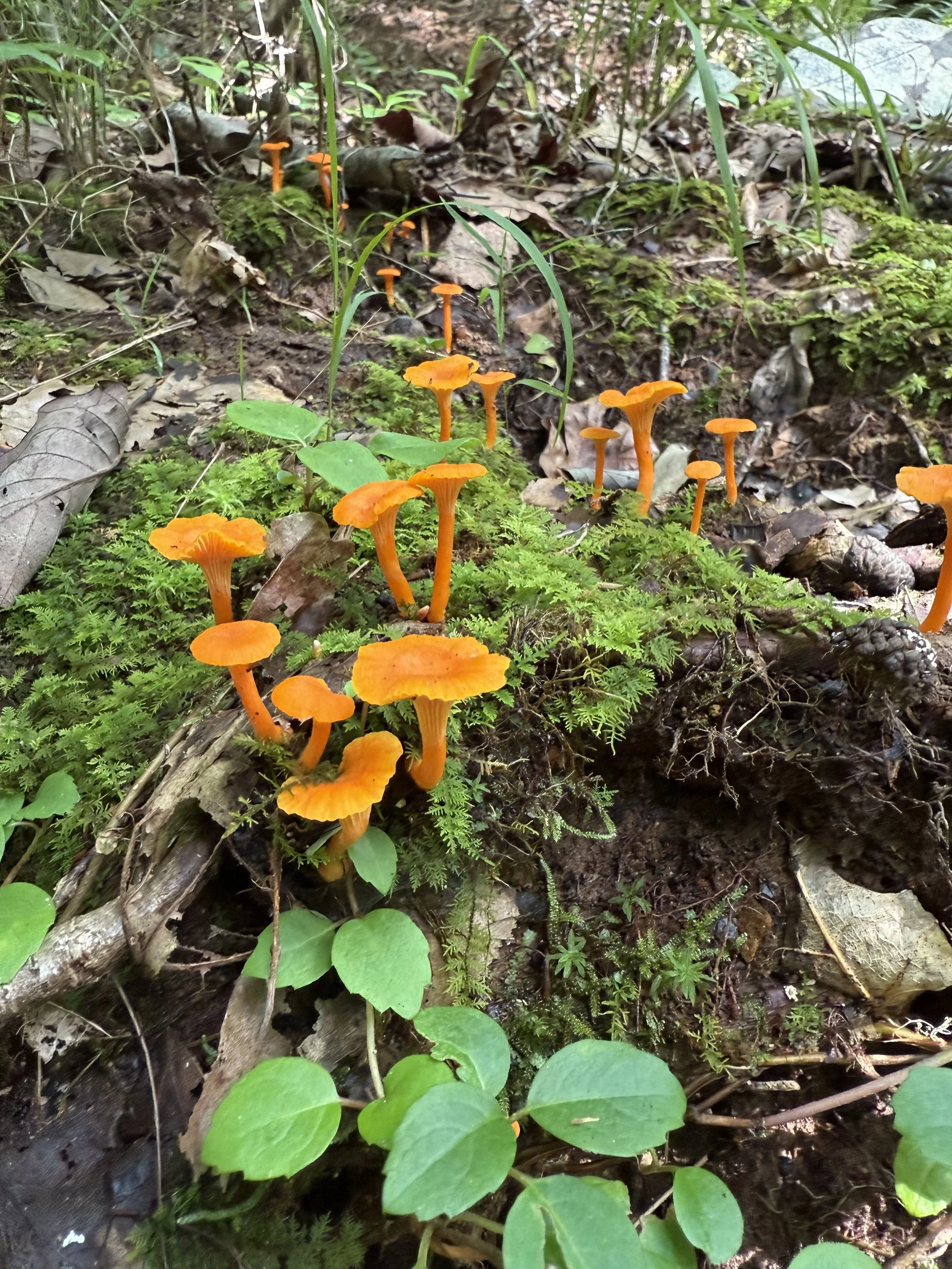
Chanterelles (cantharellus cinnabarinus)
-
![]()
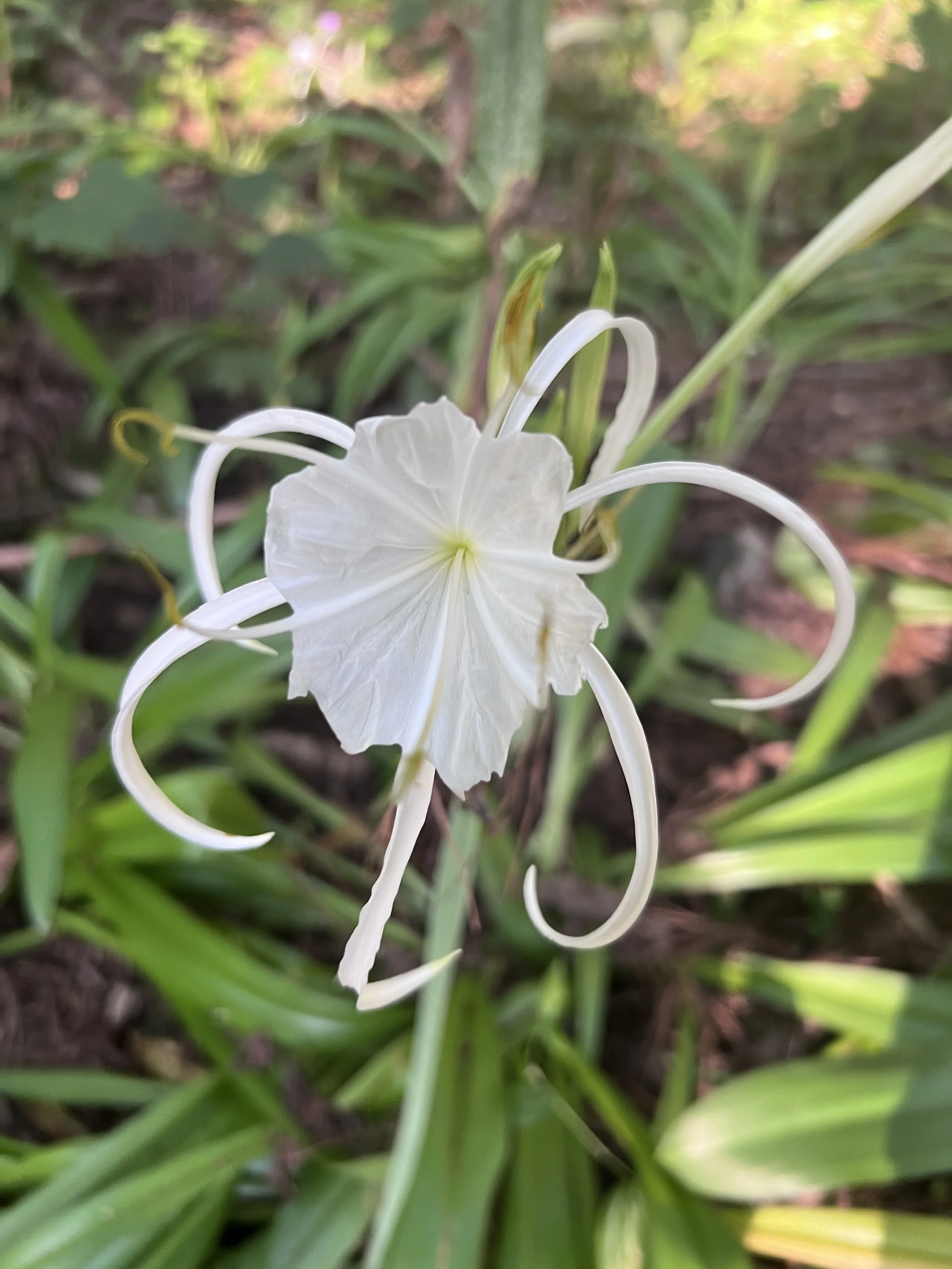
spider-lily (Hymenocallis occidentalis)
-
![]()
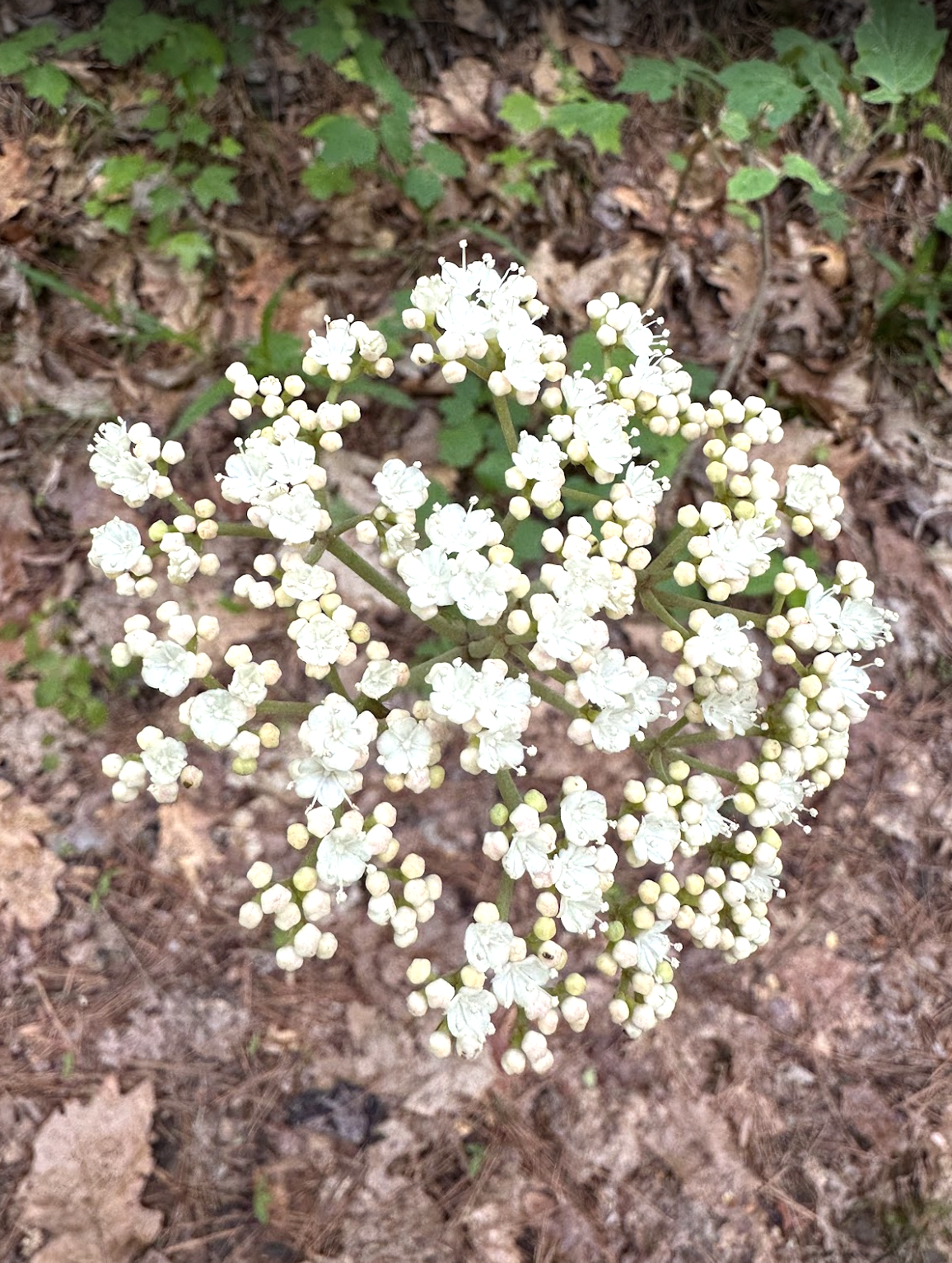
rusty blackhaw (viburnum rufidulum)
-
![Rare Hawthorne]()
New List Item
-
![Toadfkax]()
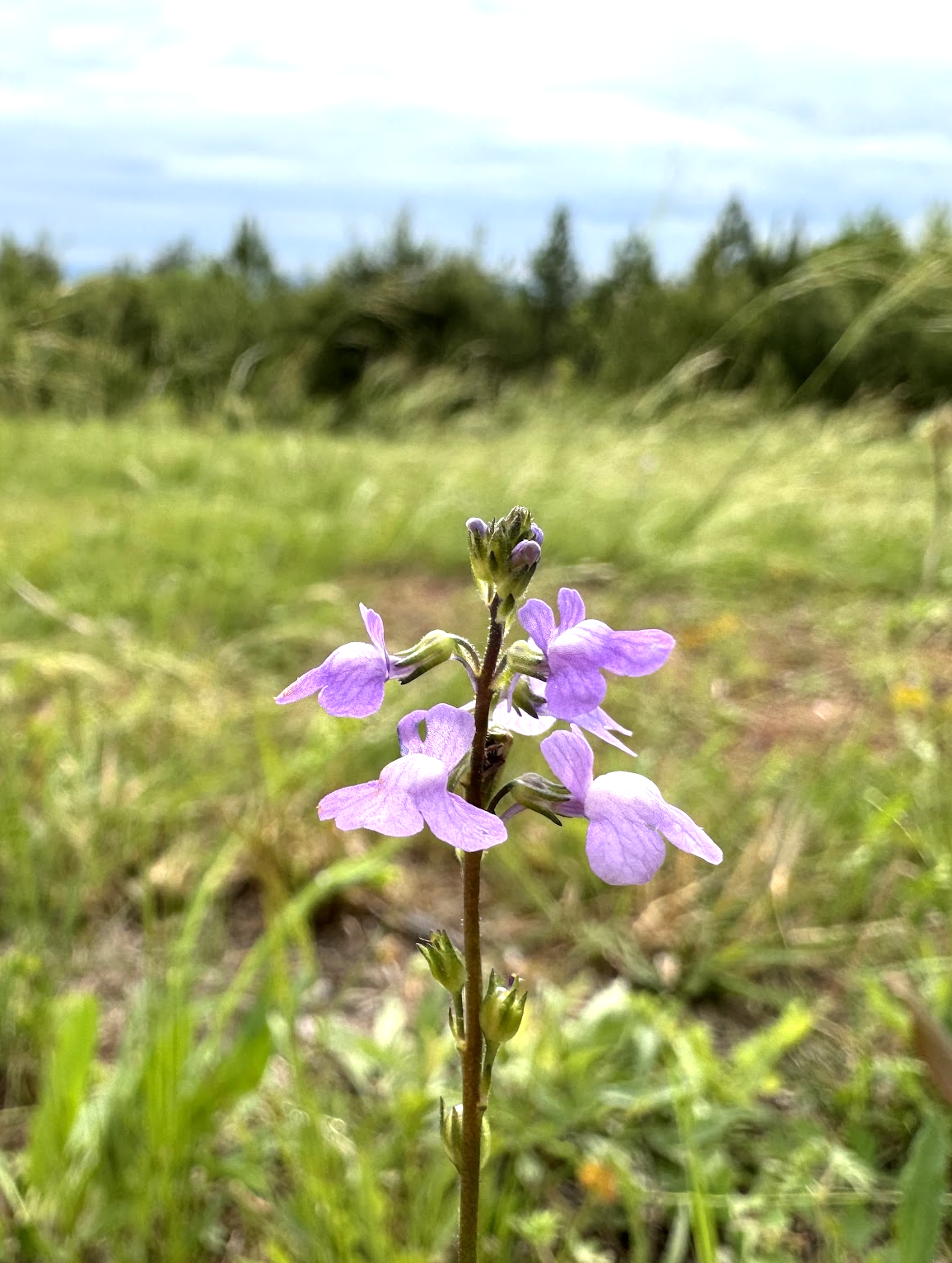
Toadflax (nuttallanthus canadesis)
-
![]()
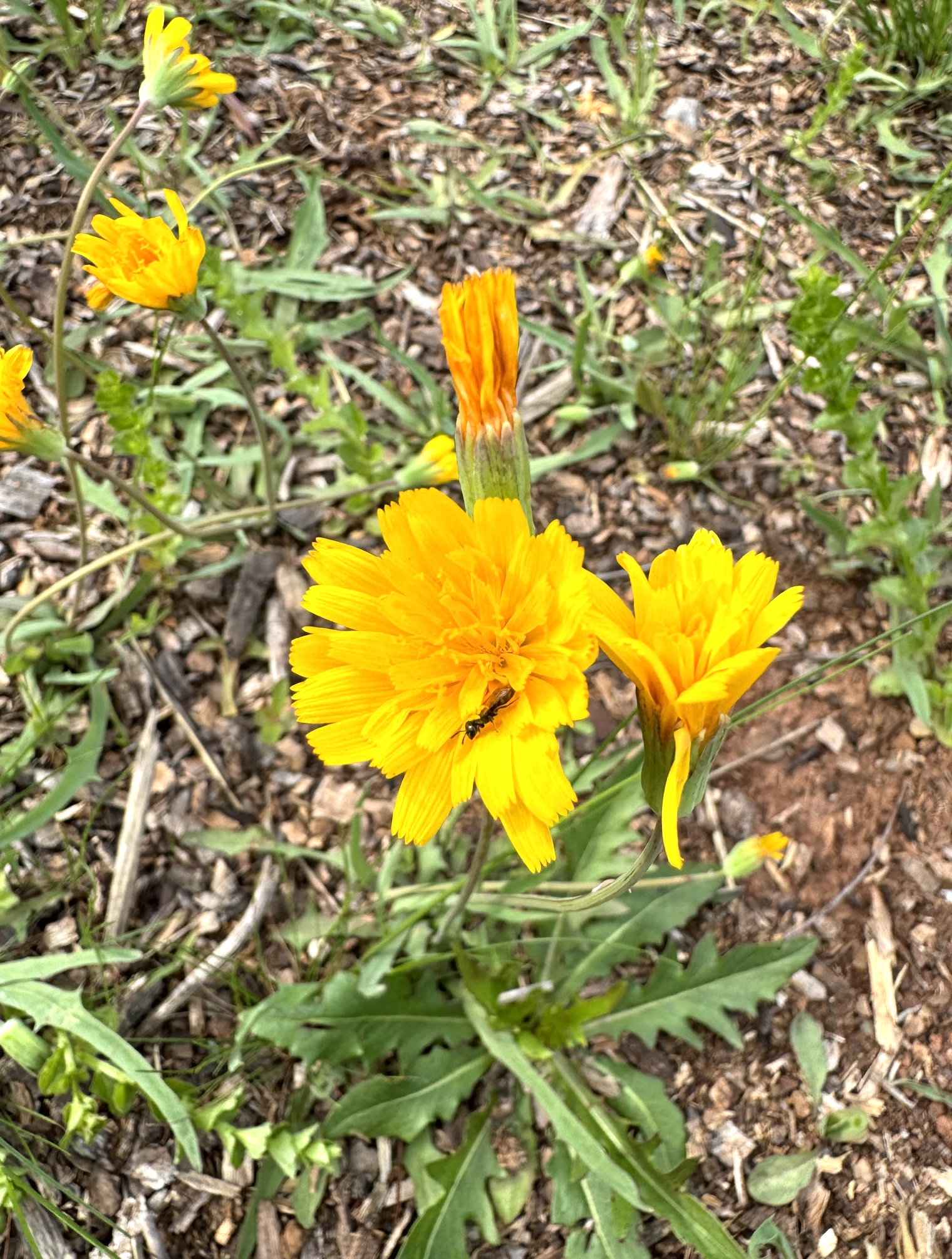
cat's ear (krigia biflora)
-
![]()
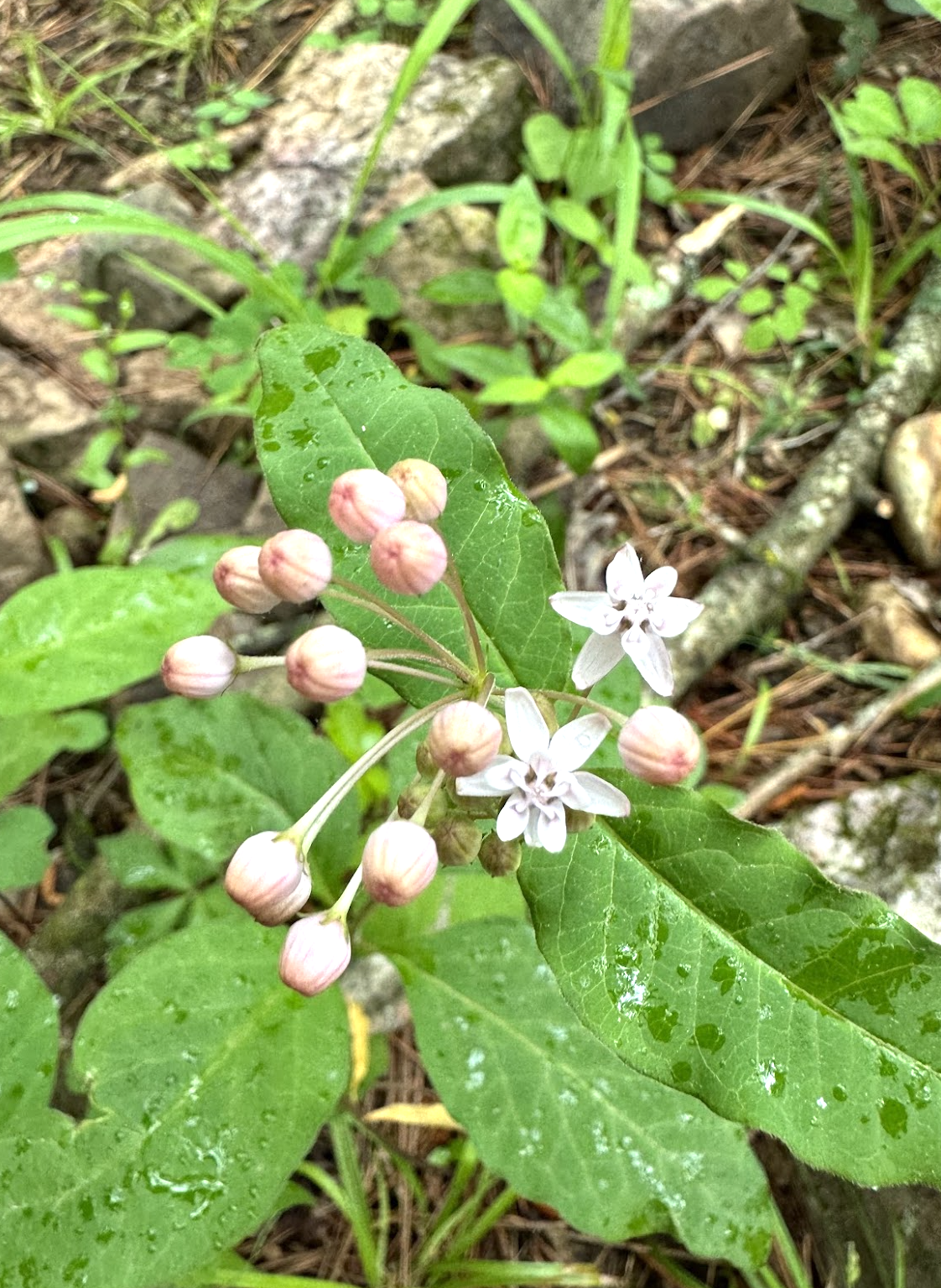
milkweed (asclepias quadrifolia)
-
![]()
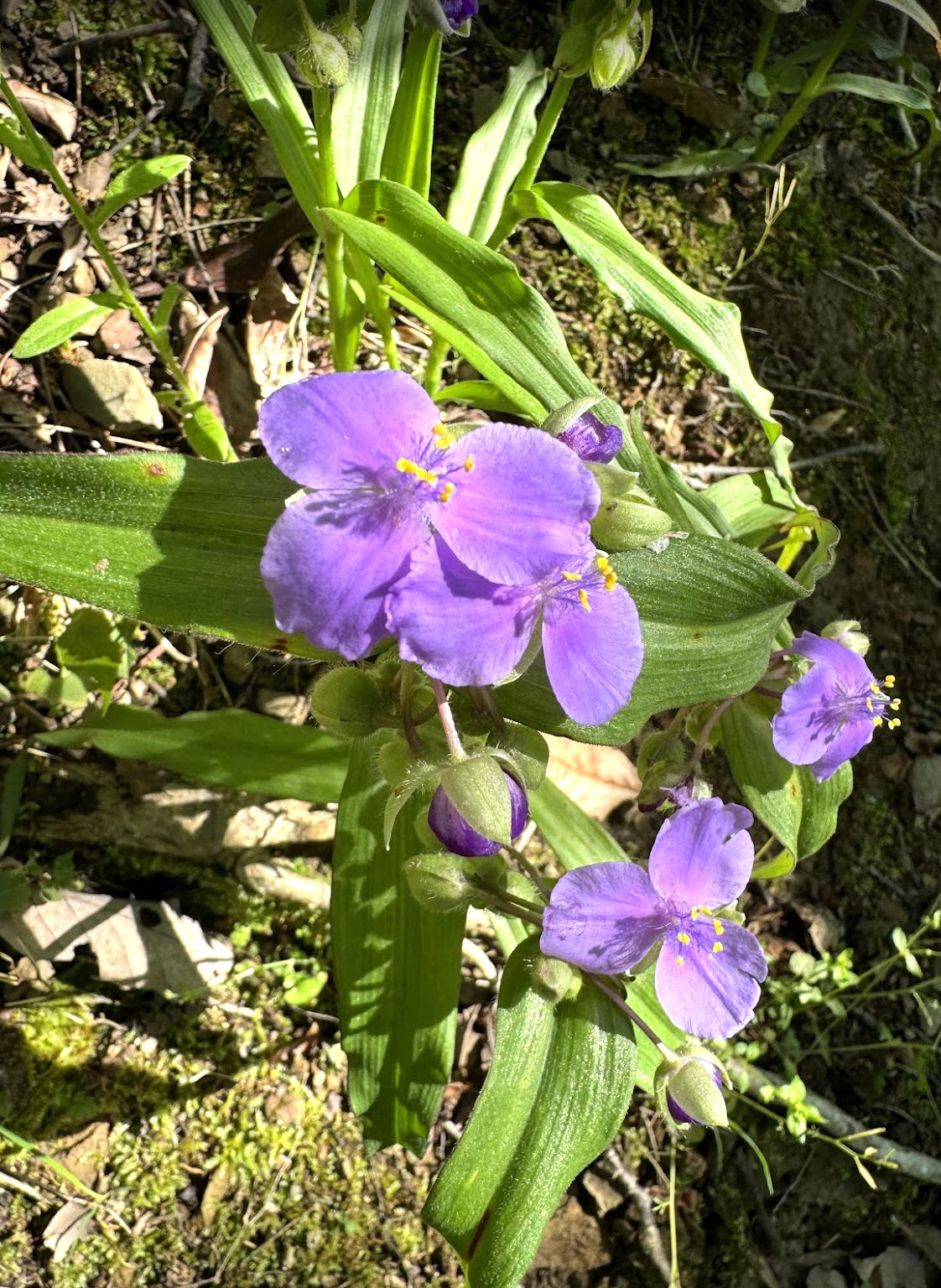
spiderwort (tradescantia virginiana)
-
![]()
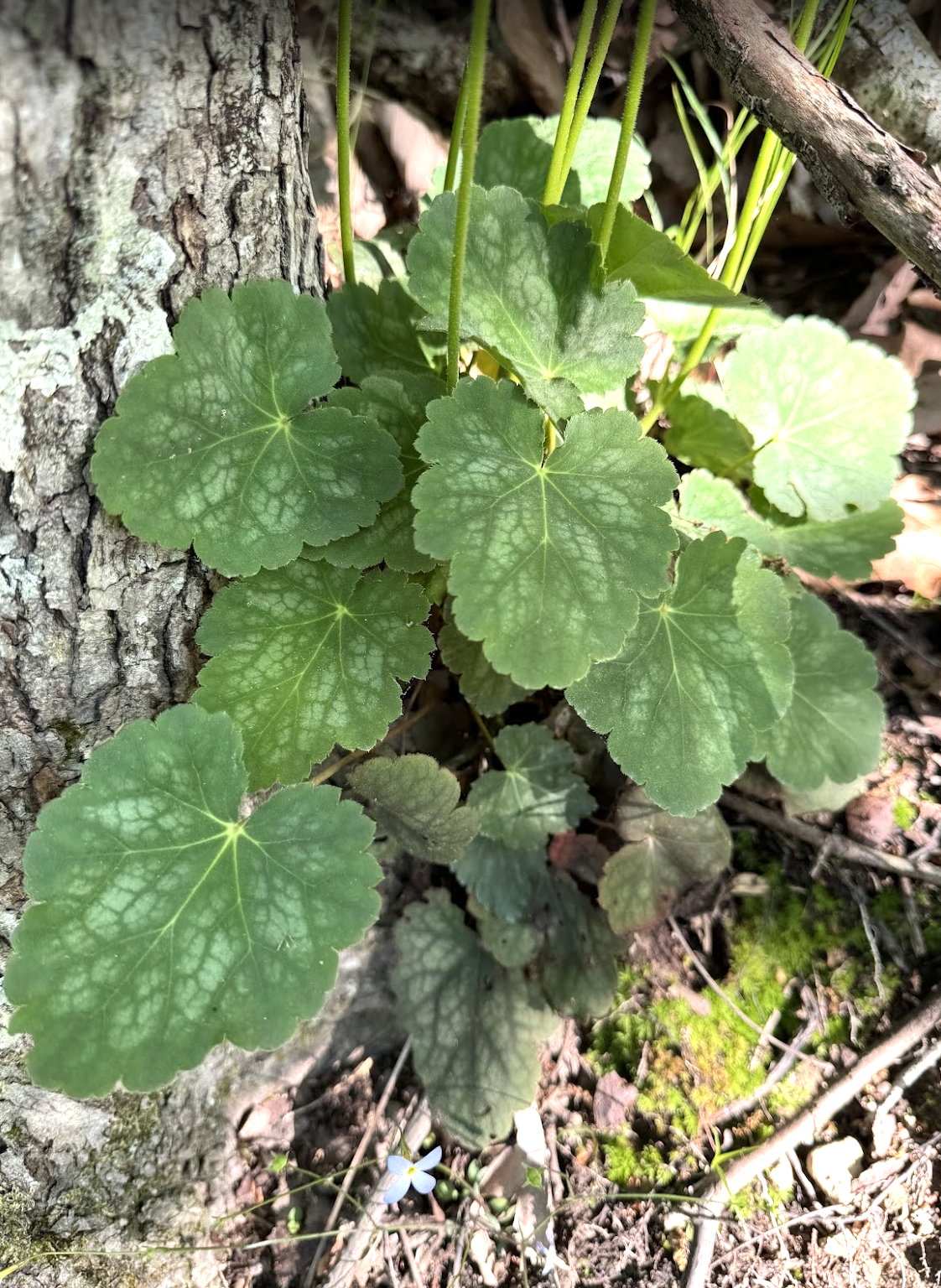
Coral Bells (heuchera americana)

tour flow
-

1. Meet in the BASE CAMP
We begin with a brief orientation. This is a chance to meet your guides, experience life in our off-grid community, and get grounded before entering the forest.
-
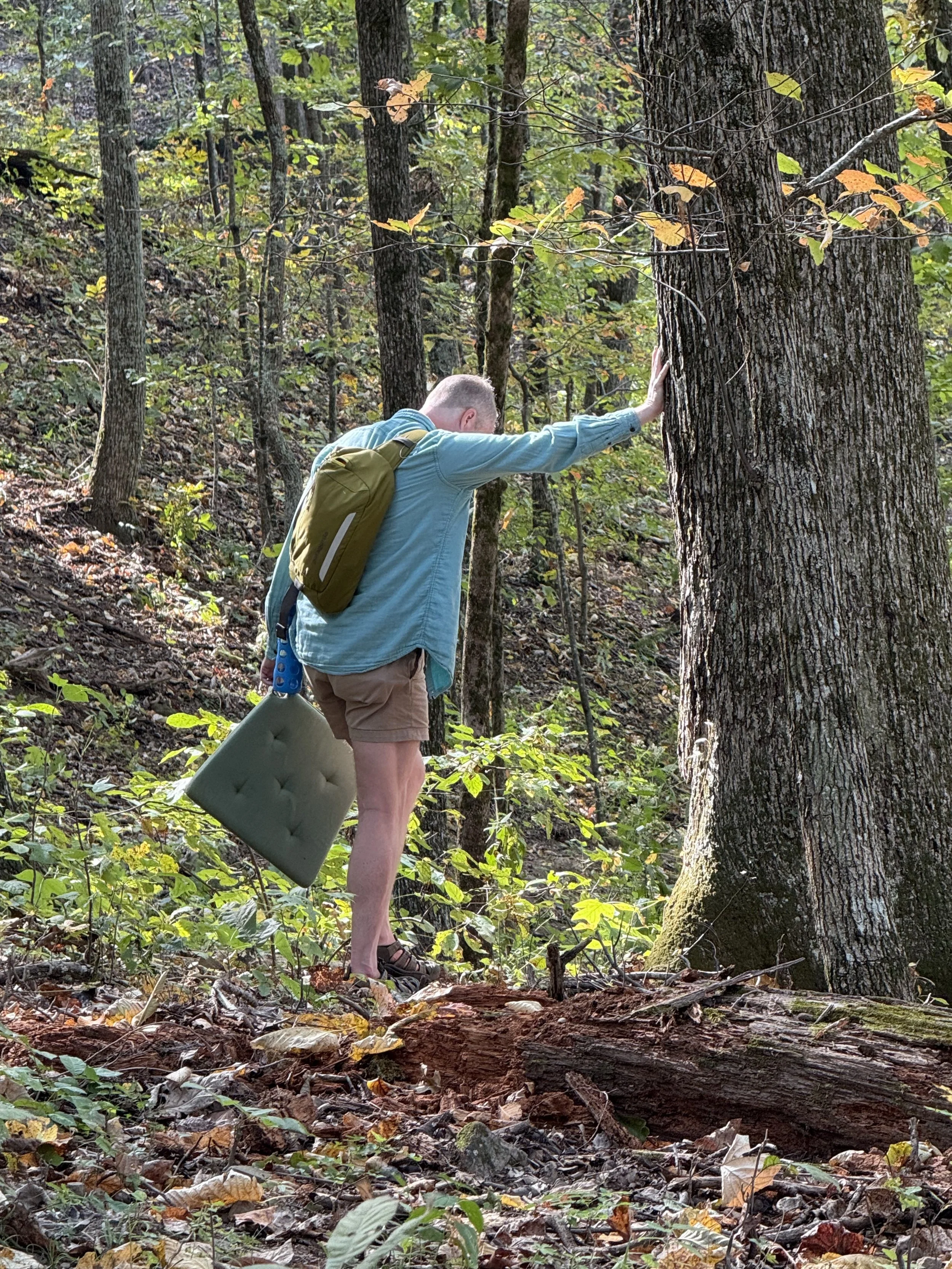
2. Hike to Bhakti Mountain
The ascent includes a gentle hike with wide forest views, rocky terrain, and overlooks shaped by ancient geology. The path is dotted with fossils from when the Appalachians were once ocean floor. Car support is available if needed.
-

3. LUNCH AND LAND INTRODUCTION
Along the way, your guide will share the history of the land. Guests are encouraged to pack their own lunch and snacks.
-
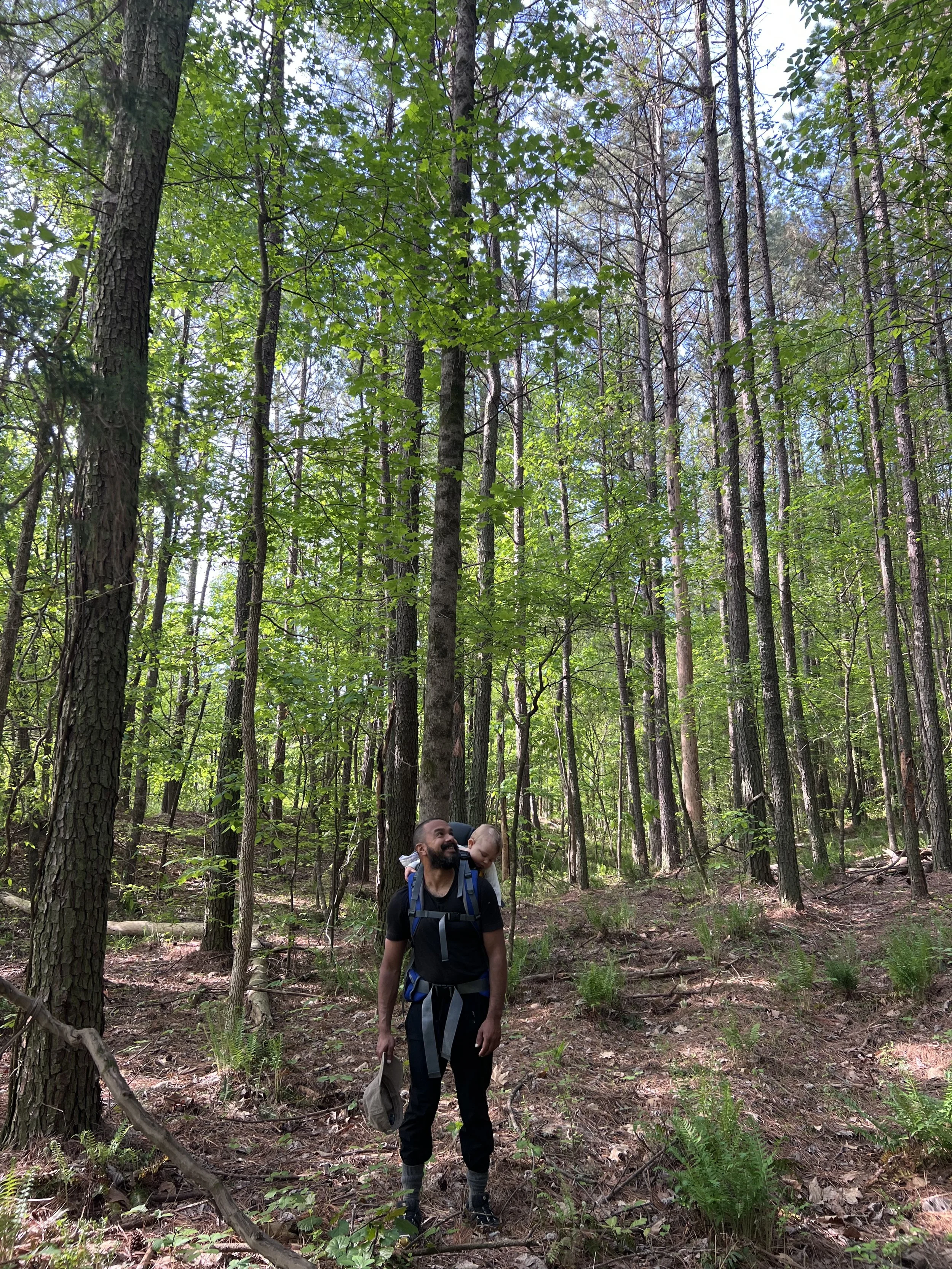
4. Walk the Burial Areas
You’ll walk the mountain top burial areas and see how placement works in relationship to slope, soil, trees, and rare plants that are re-emerging through active stewardship.
-
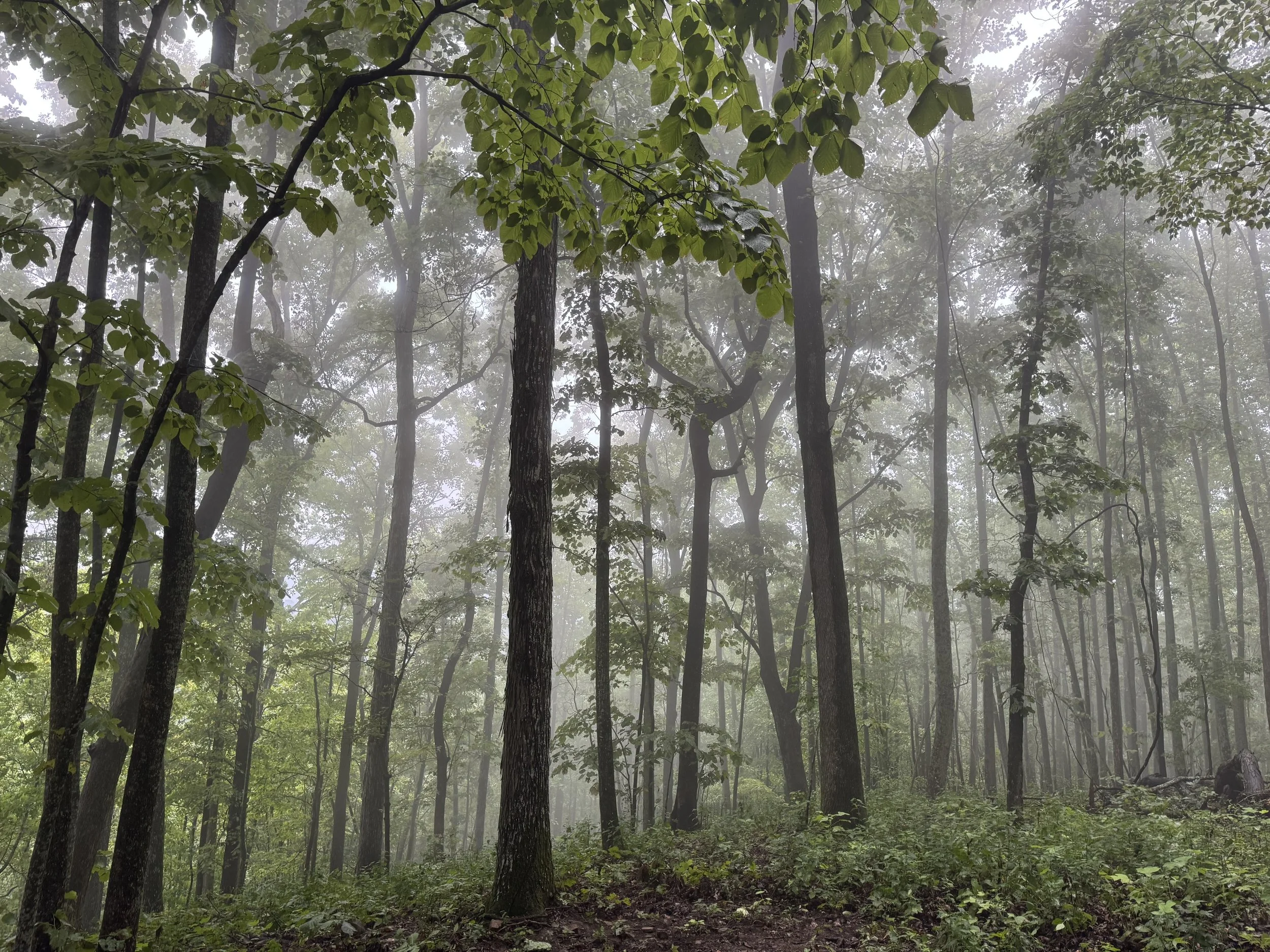
5. End in the Sacred Forest
The tour concludes in the Sacred Forest, a quieter, open woodland area with long views and older trees. From there, you’ll be driven down the mountain to close the visit.
Watch footage from the past tours
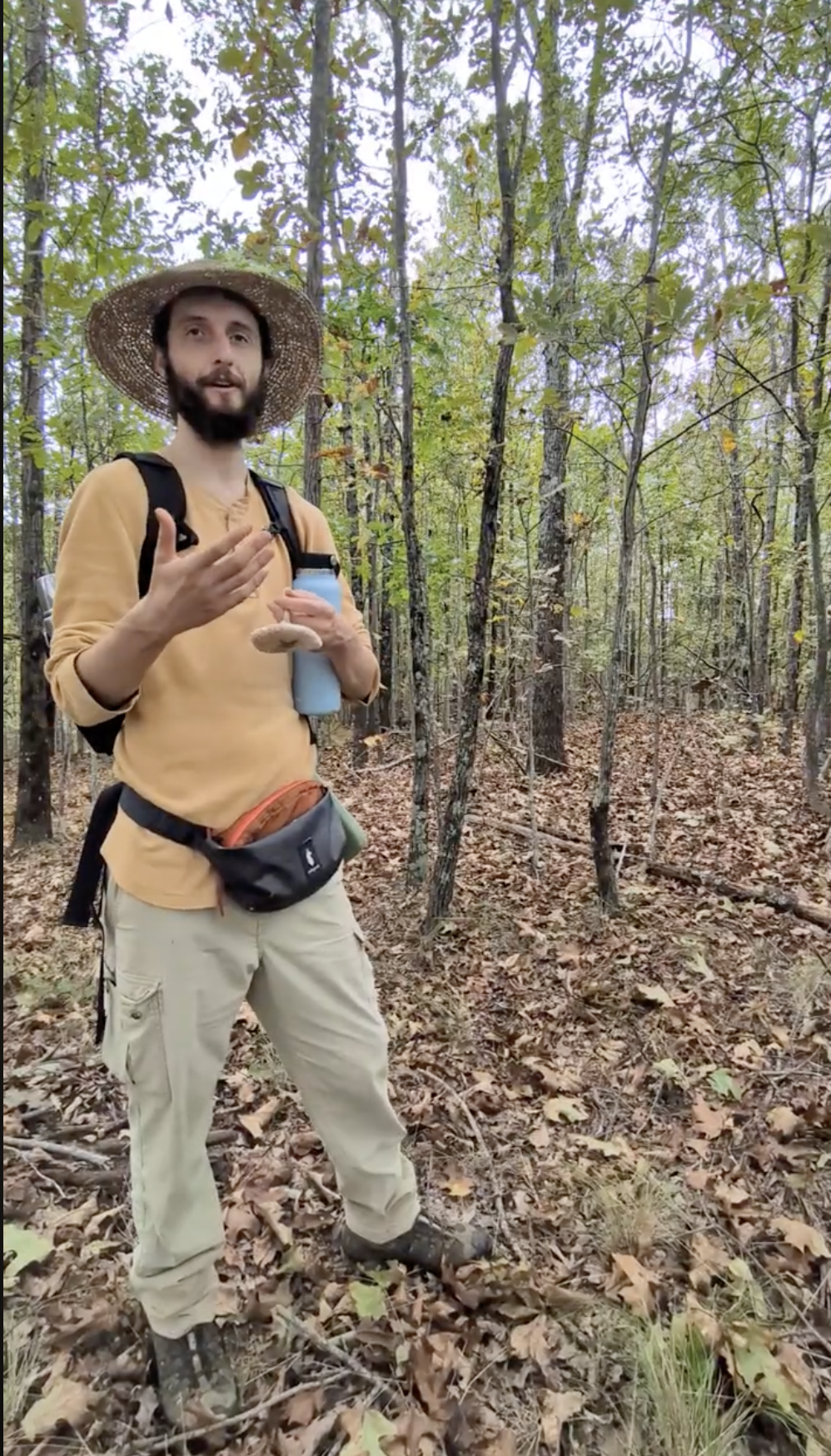
These short clips offer a glimpse of what the Green Burial Tour is. Green Burial Manager and plant expert Josh Wayne walks the land, sharing its history, and learning how burial and stewardship come together in practice.
your transformation team
-

Bala Yancey
HEAD STEWARD
-

JOSH WAYNE
CERTIFIED GREEN BURIAL CEMETERY MANAGER
-

Nivay Sahaye
GREEN BURIAL STEWARD
a Returning to the land
Learn about the ways we are able to assist you in the greatest transformation of your lifetime as part of our community natural cemetery. Whether you wish to have your cremains returned to the forest or have a natural burial, ceremonially placing your body back into the earth, we can help.
history of Green burial.
Just Love Forest offers green burial, a dignified and environmentally conscious way to care for the body. Our natural burial services minimize environmental impact, conserving natural resources, reducing carbon emissions, and preserving habitats. We offer various options including green, and the planting of cremains in our wildflower gardens. Green burials are dedicated entirely to eco-friendly practices. Certified by independent experts, our services align with the highest ethical and environmental standards.
Green burial, recognized as the oldest and most traditional form of burial, has been practiced for thousands of years. Before the 19th century, this method was the primary way of conducting burials in the United States. During the 1500s and 1600s, for example, people were frequently buried in churchyards without coffins, wrapped simply in shrouds. Puritans in New England in the 1600s also followed simple burial practices, opting for common areas outside their villages with no religious affiliation. Family farms often had their own cemeteries where bodies were buried in plain wooden coffins after being washed, dressed, and groomed.
However, the Civil War significantly altered burial practices due to the need for preserving and transporting soldiers' bodies, leading to the widespread use of embalming. In the 1900s, cremation gained popularity as it was considered a modern and hygienic approach, especially following several epidemics that raised concerns about the transmission of diseases from corpses.
Today, with a resurgence in environmental consciousness, green burial has gained renewed interest. It typically involves simple enshrouding or the use of biodegradable containers, thus minimizing the carbon footprint and serving as an eco-friendly and affordable alternative to conventional burial practices.
facts on the safety of Green burial.
Lack of Public Health Risk: Most city and state health departments have not raised concerns about green burial practices as human remains generally do not pose a public or environmental health risk. This is supported by studies from the CDC, WHO, and other international health groups on mass graves and data from forensic institutes. These studies, compiled by the Green Burial Council, indicate that materials from decomposing bodies travel only a very short distance.
Best Practices in Green Burials: Green burial practices include covering the body with 10-24 inches of soil to create a barrier against scavengers, burying bodies above the seasonal high water table, avoiding burial in wetlands or sources of public drinking water, not embalming the body, using biodegradable containers, and following re-wilding principles. These practices help ensure that the burial is environmentally safe.
Soil Suitability and Decomposition: All healthy soils are suitable for green burial. The type of soil may affect the rate of decomposition but not the process itself, which involves natural bacteria from the body's gut biome and decomposers found in the soil. Green burial is practiced safely in various soil types, from desert sand to wet clay.
The body returned to the earth.
In ideal soil conditions, the decomposition of a body in a green burial is intentionally faster than in traditional burials. This is attributed to several factors unique to natural burials:
Biodegradable Containers: These containers, like wooden caskets or shrouds, break down more easily than non-biodegradable materials, facilitating faster decomposition.
Absence of Embalming: Embalming, common in traditional burials, slows down decomposition. Green burials typically do not use embalming, allowing natural decomposition to occur.
Direct Soil Contact: Placing the body in direct contact with the soil enhances microbial activity, crucial for decomposition.
Environmental Factors: Soil type, moisture, temperature, and oxygen levels all play roles in decomposition rates. Green burial sites often promote conditions conducive to natural decomposition.
Microbial Activity: Soil microorganisms are key to breaking down organic matter, including human bodies.
However, the exact decomposition timeline varies based on factors like burial site, environmental conditions, burial container type, and other variables. Warmer, moister conditions, for instance, tend to accelerate decomposition.
Natural burial contributes positively to the health of ecosystems. The human body, predominantly composed of carbon, hydrogen, and oxygen, also contains life-sustaining nutrients like nitrogen, phosphorus, potassium, sulfur, and calcium. These elements are crucial for new plant and animal life. In natural burial, as the body decomposes, these nutrients are released into the soil at a rate that plants can absorb, enhancing soil fertility and promoting plant growth. This process is akin to perfect composting, where the decomposing material provides an ideal mix of elements for plant growth. Thus, green burials can be seen as a way to return our bodies to the soil in a manner that supports and enriches the ecosystem.